
Understanding Jueteng: The Filipino Numbers Game
Jueteng is an illegal numbers game that has maintained a steadfast presence in the Philippines for decades. Despite continuous crackdowns by authorities, it continues to thrive, deeply embedded within the socio-cultural fabric of the country. While primarily concentrated in the provinces, its influence stretches across major cities, capturing the attention of a diverse demographic. Understanding Jueteng involves delving into its origins, its mechanics, and the socio-economic implications of its pervasive presence.
The Origins of Jueteng
Jueteng traces its origins back to the 19th century, a period when Spanish colonizers ruled the Philippines. The game developed during this colonial era, drawing from similar lotteries in China, reflecting the shared cultural exchanges prevalent in Southeast Asia. Over the years, it has evolved into a more localized and culturally significant activity. By the time the Philippines gained independence, Jueteng had cemented itself as a part of daily life for many Filipinos.
How Jueteng is Played
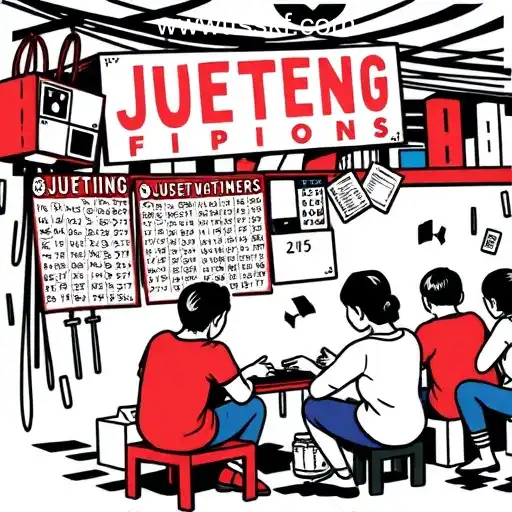
The basic structure of Jueteng is simple, though it carries an allure that goes beyond its basic mechanics. Participants select numbers from one to thirty-seven, similar to various lottery systems worldwide; however, it operates on a smaller scale with a localized feel. These numbers are usually drawn from small balls or slips of paper, often drawn manually by an operator known as “kubrador.” Participants place small bets, and if they guess the correct numbers, they stand to win a prize significantly larger than their initial bet.
One of the primary reasons for Jueteng's persistent popularity is the minimal financial barriers to entry. Betting amounts can be exceptionally low, allowing even those in impoverished communities to participate. Moreover, the promise of a potentially lucrative payoff is an enticing prospect for many who aspire to rise above their socio-economic challenges.
Social and Economic Implications
Jueteng functions both as an economic microcosm and a cultural phenomenon. It has been intricately linked with the political landscape of the Philippines. Many politicians have historically turned a blind eye to its operation, or worse, used it as a tool to gain favor with the populace by suggesting they have the means to protect it. This symbiotic relationship often enhances the game's persistent survival despite governmental efforts at eradication.
The economic implications are multifaceted. On one side, Jueteng creates a shadow economy that employs thousands, from the operators and collectors to the enforcers who extract protection money. Despite being labeled illegal, it offers informal employment, sustenance, and, for some, an opportunity to gain prosperity.
The Role of Technology and Modern Platforms
In the digital age, the traditional practices of Jueteng are faced with new challenges and opportunities. Platforms like TTSSKF.COM Oficial Slots Brasil #1 indicate a shift in the ways people engage with gambling. This modern digital platform presents a new frontier, where traditional gambling intersects with online advancements, allowing players to participate from the comfort of their homes.
In regions where internet connectivity is expanding rapidly, there is a notable shift in gambling habits. This technological evolution bodes well for platforms aiming to modernize such traditional activities, introducing transparency and accountability lacking in traditional setups. Whether this transition will overshadow the deeply ingrained Jueteng culture remains to be seen.
Regulation and the Future of Jueteng
Efforts to regulate Jueteng have been vast and varied, yet largely unsuccessful. One of the fundamental reasons is its deeply embedded nature in cultural practices and its role as an economic lifeline. Policymakers continue to face the challenge of addressing the inherent issues without alienating those whose livelihoods depend on its existence.
As technology continues to influence the landscape of gambling, there is potential for integrating digital technologies to regulate and possibly formalize previously informal gambling activities. However, this requires significant political will and an understanding of the socio-cultural dynamics at play.
Jueteng, with its deep historical roots and complex modern-day implications, remains an essential topic of discourse in the Philippines. It serves as a lens through which we can examine broader socio-economic issues, offering insights into how traditional practices evolve in response to modern advancements.